
For Keith McGowan, known throughout Central New Jersey as Outboard Dad, the rhythmic churn of an engine and the saltwater spray along the Jersey shore aren’t merely hobbies—they’re woven into the fabric of his life. A few years ago, while preparing for another run along the coastline, Keith noticed a ritual he had shared with his father for decades. Before launching, he would call to say where he was headed. On the way home, he would call again.
His dad never asked about the fish.
His standard question was always the same:
“How’d the boat run?”
It was more than curiosity. It reflected something Keith understood deeply: the heart of every adventure on the water is the boat itself—how it performs, how it carries you, and how well you’ve taken care of it.
Early Influences — and a Yamaha That Started It All
Keith’s connection to engines began in childhood. A natural small-engine mechanic from an early age, he was already rebuilding and repairing equipment long before he had a boat of his own. But the watershed moment came at age seventeen.
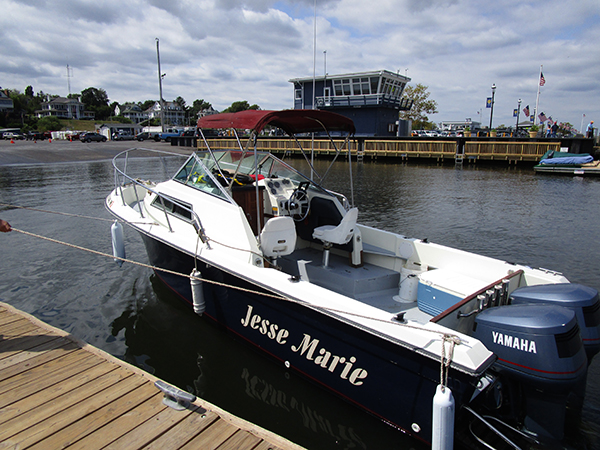
One of his father’s old high school buddies invited them to spend a week at his shore house. There, Keith first encountered an 18-foot Boston Whaler powered by a 150-hp Yamaha outboard. The combination of Yamaha reliability, simplicity, and performance left an imprint he never forgot.
Already mechanically inclined, Keith absorbed every lesson this family friend offered. His enthusiastic endorsement of Yamaha—its ease of maintenance, durability, and trustworthiness—resonated deeply with the teenager. By the end of that week, Keith wasn’t just interested in boating. He was hooked for life.
Finding His Way on the Water
Keith’s early boats weren’t Yamaha-powered, but it didn’t take long for his true preference to reveal itself. His second major boat—a 23-foot Wellcraft—became a defining project. Keith rebuilt it to accept twin Yamaha 115 two-stroke engines, bought them used, and estimates he put over 1,200 hours on them himself.
Central New Jersey’s back bays, rivers, offshore opportunities, and the tri-state region’s abundance of large lakes became his playground. Week-long trips filled with knee-boarding, skiing, sightseeing, and cruising became routine. One of his greatest joys remains taking friends to Liberty Island and New York Harbor, where the city skyline and history amplify the magic of navigating those waters.
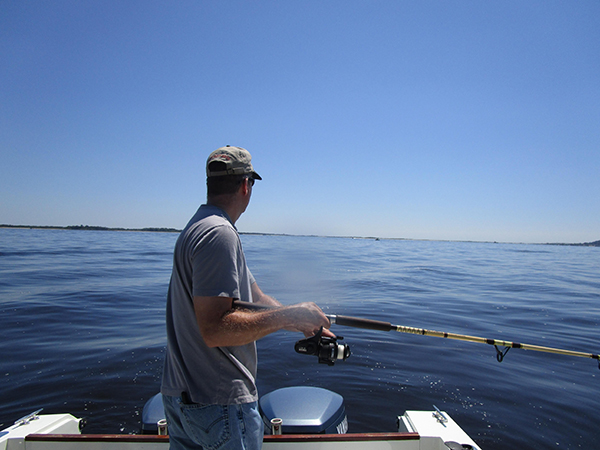
“I will always say I’m more of a boater than a fisherman,” Keith says. “For me, it’s the escape—the feeling of pushing the throttles down and feeling the boat surge forward. That moment washes the stress away. My favorite role is captain, guiding the ride, not sitting and waiting for a bite.”
A Lifelong Yamaha Connection
Keith’s Wellcraft, still powered by those original Yamaha two-strokes, remains his trusted vessel today. And while the idea of upgrading to modern Yamaha four-strokes is always on his mind, the two-strokes simply refuse to quit.
Long before he became “Outboard Dad,” Keith operated a small side business—McGowan’s Marine—repairing and rebuilding outboards for extra income. It wasn’t a storefront or a full-time shop; it grew organically from buying motors, repairing them, selling them, and reinvesting the profits into the next project. This slow, methodical cycle is what funded his boating life for decades.
Through formal rebuilding courses, hands-on experience, and thousands of hours troubleshooting and maintaining engines, Keith developed a deep respect for Yamaha engineering. He has helped customers upgrade to four-stroke Yamaha engines and firmly believes their build quality is unmatched.
While he no longer runs a full-time shop, he continues to help people—often those with older two-strokes that many modern marine shops refuse to work on. His passion keeps those legacy engines alive.
Keith’s Golden Rules of Outboard Care
After more than forty years working with outboards, Keith distills proper maintenance down to two essentials:
1. Use the right fuel treatment
2. Flush the engine completely and correctly
“Letting the engine warm up fully during a flush, and then doing a proper annual Salt-Away® treatment, goes a long way toward longevity,” he explains.*
*Follow maintenance guidelines in your Outboard Owners Guide.
Family, Faithfulness, and the Return to the Water
Marriage and early family life brought a five-year pause to boating. The boat stayed covered while they worked to get financially back on track. But the moment they could afford it, Keith and his family were back on the water.
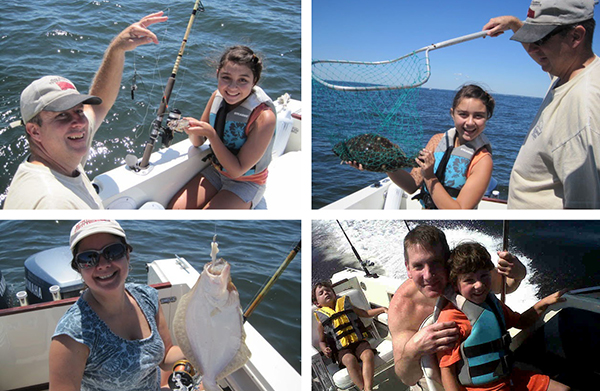
When his daughter became a teenager, boating became a weekly ritual. They perfected the art of trailering and launching—each person with a defined role, each trip strengthening their bond. Fishing trips, cruising days, and long weekends together cemented boating as part of their family identity.
Outboard Dad — Helping Others Enjoy the Water
For Keith, boating is both freedom and responsibility. Through his growing YouTube channel, Outboard Dad, he has discovered a new mission: helping new boaters learn the right way so they can avoid common mistakes and enjoy their time on the water.
The channel has become a place where he mentors boaters of all ages—answering questions, teaching diagnostic techniques, helping people choose their first outboard, and promoting Yamaha reliability through real-world experience. He recalls helping a friend in Texas get his son out on the water. The shared excitement and connection from that experience reminded Keith of everything boating has given him—and continues to give others.
The Saturday Morning Ritual
Some of Keith’s most cherished memories come from his early twenties. For five straight years, he and a close friend met every Saturday at 5 AM to take the boat out. They learned through trial and error, made mistakes, fixed them, and laughed their way through every outing.
Those early mornings became the foundation of his lifelong love for the water—a passion that now draws people to him. Many of his customers and viewers now invite him onto their boats, closing a circle of friendship, mentorship, and shared joy that began with one simple question from his father:
“How’d the boat run?”
Back to Blue Tales
His dad never asked about the fish.
His standard question was always the same:
“How’d the boat run?”
It was more than curiosity. It reflected something Keith understood deeply: the heart of every adventure on the water is the boat itself—how it performs, how it carries you, and how well you’ve taken care of it.
Early Influences — and a Yamaha That Started It All
Keith’s connection to engines began in childhood. A natural small-engine mechanic from an early age, he was already rebuilding and repairing equipment long before he had a boat of his own. But the watershed moment came at age seventeen.
One of his father’s old high school buddies invited them to spend a week at his shore house. There, Keith first encountered an 18-foot Boston Whaler powered by a 150-hp Yamaha outboard. The combination of Yamaha reliability, simplicity, and performance left an imprint he never forgot.
Already mechanically inclined, Keith absorbed every lesson this family friend offered. His enthusiastic endorsement of Yamaha—its ease of maintenance, durability, and trustworthiness—resonated deeply with the teenager. By the end of that week, Keith wasn’t just interested in boating. He was hooked for life.
Finding His Way on the Water
Keith’s early boats weren’t Yamaha-powered, but it didn’t take long for his true preference to reveal itself. His second major boat—a 23-foot Wellcraft—became a defining project. Keith rebuilt it to accept twin Yamaha 115 two-stroke engines, bought them used, and estimates he put over 1,200 hours on them himself.
Central New Jersey’s back bays, rivers, offshore opportunities, and the tri-state region’s abundance of large lakes became his playground. Week-long trips filled with knee-boarding, skiing, sightseeing, and cruising became routine. One of his greatest joys remains taking friends to Liberty Island and New York Harbor, where the city skyline and history amplify the magic of navigating those waters.
“I will always say I’m more of a boater than a fisherman,” Keith says. “For me, it’s the escape—the feeling of pushing the throttles down and feeling the boat surge forward. That moment washes the stress away. My favorite role is captain, guiding the ride, not sitting and waiting for a bite.”
A Lifelong Yamaha Connection
Keith’s Wellcraft, still powered by those original Yamaha two-strokes, remains his trusted vessel today. And while the idea of upgrading to modern Yamaha four-strokes is always on his mind, the two-strokes simply refuse to quit.
Long before he became “Outboard Dad,” Keith operated a small side business—McGowan’s Marine—repairing and rebuilding outboards for extra income. It wasn’t a storefront or a full-time shop; it grew organically from buying motors, repairing them, selling them, and reinvesting the profits into the next project. This slow, methodical cycle is what funded his boating life for decades.
Through formal rebuilding courses, hands-on experience, and thousands of hours troubleshooting and maintaining engines, Keith developed a deep respect for Yamaha engineering. He has helped customers upgrade to four-stroke Yamaha engines and firmly believes their build quality is unmatched.
While he no longer runs a full-time shop, he continues to help people—often those with older two-strokes that many modern marine shops refuse to work on. His passion keeps those legacy engines alive.
Keith’s Golden Rules of Outboard Care
After more than forty years working with outboards, Keith distills proper maintenance down to two essentials:
1. Use the right fuel treatment
2. Flush the engine completely and correctly
“Letting the engine warm up fully during a flush, and then doing a proper annual Salt-Away® treatment, goes a long way toward longevity,” he explains.*
*Follow maintenance guidelines in your Outboard Owners Guide.
Family, Faithfulness, and the Return to the Water
Marriage and early family life brought a five-year pause to boating. The boat stayed covered while they worked to get financially back on track. But the moment they could afford it, Keith and his family were back on the water.
When his daughter became a teenager, boating became a weekly ritual. They perfected the art of trailering and launching—each person with a defined role, each trip strengthening their bond. Fishing trips, cruising days, and long weekends together cemented boating as part of their family identity.
Outboard Dad — Helping Others Enjoy the Water
For Keith, boating is both freedom and responsibility. Through his growing YouTube channel, Outboard Dad, he has discovered a new mission: helping new boaters learn the right way so they can avoid common mistakes and enjoy their time on the water.
The channel has become a place where he mentors boaters of all ages—answering questions, teaching diagnostic techniques, helping people choose their first outboard, and promoting Yamaha reliability through real-world experience. He recalls helping a friend in Texas get his son out on the water. The shared excitement and connection from that experience reminded Keith of everything boating has given him—and continues to give others.
The Saturday Morning Ritual
Some of Keith’s most cherished memories come from his early twenties. For five straight years, he and a close friend met every Saturday at 5 AM to take the boat out. They learned through trial and error, made mistakes, fixed them, and laughed their way through every outing.
Those early mornings became the foundation of his lifelong love for the water—a passion that now draws people to him. Many of his customers and viewers now invite him onto their boats, closing a circle of friendship, mentorship, and shared joy that began with one simple question from his father:
“How’d the boat run?”
Back to Blue Tales