

Memorial Day, Fourth of July, Labor Day — these summer holidays represent some of the best days of the year to load your friends and family onto the boat, and hit the water. But that’s kind of the problem — everyone else has the same plan. Boat ramp parking lots fill up before sunrise, no-wake zones turn into floating parking lots, and the wide-open channel you cruised through with room to spare last weekend suddenly feels like rush hour.
Don’t let these annoyances ruin your holiday boating plans — a little preparation and the right mindset can turn a crowded waterway from a stress test into a nonevent. Here are some tips to keep your time on the water smooth, safe, and headache-free.
Off-Peak Hours
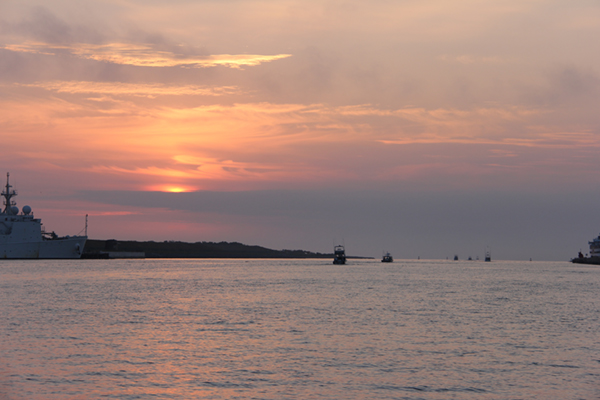
If you want to avoid the crowds, leave the dock long before the sun comes up. When I was a kid, my parents would put us to sleep on the boat, and we’d wake up underway or in a new location all together. It was fun and exciting to start the day in a different spot than where we fell asleep. By running at night or in the darkness of early morning, we avoided a lot of the congestion in the harbor, and we scored first pick at the anchorage. The secret is to make sure you fill your fuel tanks and provision the boat ahead of time so you can toss lines and head out into the night. Test all of your running lights, courtesy lights, Q-beam and radar so you can run in the dark without a worry. Whenever you boat in low-light conditions, ease back on the throttles, which brings us to our next tip…
Slow Down
There is no brake pedal on a boat or personal watercraft. The best thing you can do in heavy traffic is slow down long before it feels necessary. This gives you time to move out of the way of other boaters who may or may not be paying attention. And don’t forget, the wake from a running boat doesn’t stop when the boat throttles back — it keeps rolling toward docks, swimmers, anchored boats, and paddlers. Be considerate. In congested areas, treat idle speed as your default, not a last resort. Slowing down buys you time. More time to read what other boats are doing, more time to react if someone cuts in front of you, or more time to pull into the fuel dock without rushing the approach. Give the boat ahead of you extra room, because sudden stops or change in course can happen. Crowded channels and no-wake zones compress everyone’s margin for error, so widen yours to compensate.
Know the Rules of the Road
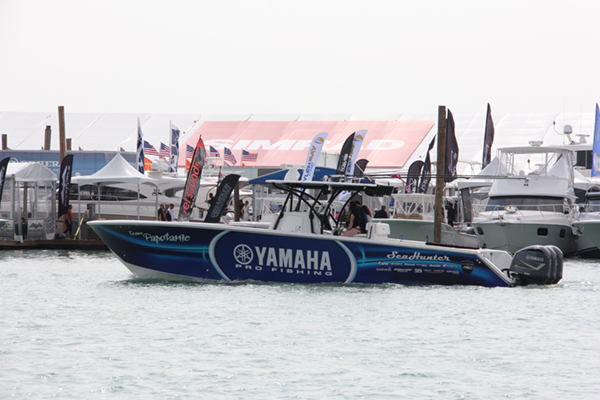
Holiday weekends tend to bring out novice boaters who probably don’t know (or abide by) the basic rules of the road. When boats meet head-on, each vessel should alter course to starboard, and pass port-to-port. When paths cross, the boat approaching from the right has the right of way, and the other vessel is responsible for avoiding a collision. If a boat is traveling faster than you, yield and let them overtake you, don’t get into a race. Give sailboats underway, kayaks, paddleboards, and boats pulling a tube or wakeboarder an extra-wide berth. Stay out of the channel if you’re fishing or swimming.
Keep your head on a swivel: holidays bring out plenty of first-time boat renters, brand-new boat owners, and excited kids at the helm. Boat as if the vessel next to you doesn’t know the basic rules of navigation, because there’s a good chance they don’t. It’s also a good idea to ask everyone on board to keep their eyes open for approaching vessels or floating hazards. When you get back to the marina, ask for help tying up, too.
Prep Your Anchor Before You Drop It
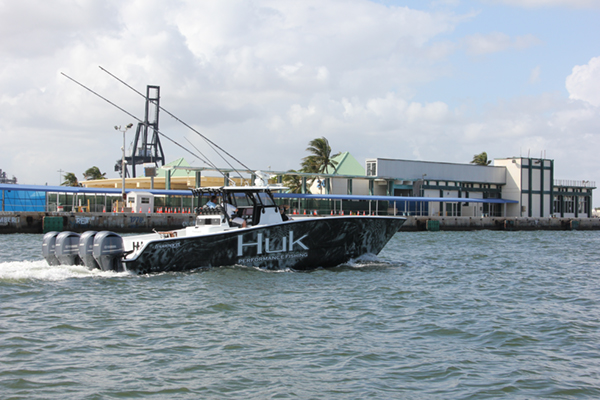
Crowded anchorages and sandbars are one of the most common places for holiday skirmishes and mishaps. Scout your anchoring approach from a distance, identify a clear patch of water, and have your anchor, rode, and crew ready before you begin threading between other boats.
Approach slowly, ideally into the wind or current, and give neighboring boats more swing room than you think you’ll need — boats in a packed anchorage shift as tide and wind change but each boat swings differently. To avoid swing, use two anchors, one forward and one aft. If the anchorage is full, have a backup in mind rather than forcing your way into a tight squeeze that could ruffle feathers and scratch up gelcoat.
Check Conditions Before You Go
Check the forecast repeatedly as your trip approaches. Come up with a backup plan should the weather turn sour. A Saturday afternoon spent at the movie theater is way better than riding out a thunderstorm in 4- to 6-foot seas with frightened kids in tow. Afternoon storms, shifting winds, squalls, and heavy seas will turn that already crowded anchorage into a potential bumper boat situation as boats pull anchor or swimmers struggle to get back on board. It’s just not worth it. Use a reliable weather app or NOAA forecast and heed any marine advisories. Busy holiday weekends are not the time to push your luck with the weather.
Stay Sober
This should go without saying, but never consume alcohol when operating a boat. Boating under the influence is not only a crime, it is the leading cause of fatal accidents on the water. The captain is responsible for the entire crew on board. Stay sober, alert and safe. Make sure all of your passengers are wearing their appropriate PFDs, staying hydrated and applying sunblock.
Don’t let the potential of a crowded sandbar keep you tied up to the dock on the busiest boating weekends of the year — make your preparations, come up with a backup plan, slow down and boat a little smarter. Do that, and the holiday traffic on the water becomes background noise to a great day, not the main event.
Back to Blue Life
Don’t let these annoyances ruin your holiday boating plans — a little preparation and the right mindset can turn a crowded waterway from a stress test into a nonevent. Here are some tips to keep your time on the water smooth, safe, and headache-free.
Off-Peak Hours
If you want to avoid the crowds, leave the dock long before the sun comes up. When I was a kid, my parents would put us to sleep on the boat, and we’d wake up underway or in a new location all together. It was fun and exciting to start the day in a different spot than where we fell asleep. By running at night or in the darkness of early morning, we avoided a lot of the congestion in the harbor, and we scored first pick at the anchorage. The secret is to make sure you fill your fuel tanks and provision the boat ahead of time so you can toss lines and head out into the night. Test all of your running lights, courtesy lights, Q-beam and radar so you can run in the dark without a worry. Whenever you boat in low-light conditions, ease back on the throttles, which brings us to our next tip…
Slow Down
There is no brake pedal on a boat or personal watercraft. The best thing you can do in heavy traffic is slow down long before it feels necessary. This gives you time to move out of the way of other boaters who may or may not be paying attention. And don’t forget, the wake from a running boat doesn’t stop when the boat throttles back — it keeps rolling toward docks, swimmers, anchored boats, and paddlers. Be considerate. In congested areas, treat idle speed as your default, not a last resort. Slowing down buys you time. More time to read what other boats are doing, more time to react if someone cuts in front of you, or more time to pull into the fuel dock without rushing the approach. Give the boat ahead of you extra room, because sudden stops or change in course can happen. Crowded channels and no-wake zones compress everyone’s margin for error, so widen yours to compensate.
Know the Rules of the Road
Holiday weekends tend to bring out novice boaters who probably don’t know (or abide by) the basic rules of the road. When boats meet head-on, each vessel should alter course to starboard, and pass port-to-port. When paths cross, the boat approaching from the right has the right of way, and the other vessel is responsible for avoiding a collision. If a boat is traveling faster than you, yield and let them overtake you, don’t get into a race. Give sailboats underway, kayaks, paddleboards, and boats pulling a tube or wakeboarder an extra-wide berth. Stay out of the channel if you’re fishing or swimming.
Keep your head on a swivel: holidays bring out plenty of first-time boat renters, brand-new boat owners, and excited kids at the helm. Boat as if the vessel next to you doesn’t know the basic rules of navigation, because there’s a good chance they don’t. It’s also a good idea to ask everyone on board to keep their eyes open for approaching vessels or floating hazards. When you get back to the marina, ask for help tying up, too.
Prep Your Anchor Before You Drop It
Crowded anchorages and sandbars are one of the most common places for holiday skirmishes and mishaps. Scout your anchoring approach from a distance, identify a clear patch of water, and have your anchor, rode, and crew ready before you begin threading between other boats.
Approach slowly, ideally into the wind or current, and give neighboring boats more swing room than you think you’ll need — boats in a packed anchorage shift as tide and wind change but each boat swings differently. To avoid swing, use two anchors, one forward and one aft. If the anchorage is full, have a backup in mind rather than forcing your way into a tight squeeze that could ruffle feathers and scratch up gelcoat.
Check Conditions Before You Go
Check the forecast repeatedly as your trip approaches. Come up with a backup plan should the weather turn sour. A Saturday afternoon spent at the movie theater is way better than riding out a thunderstorm in 4- to 6-foot seas with frightened kids in tow. Afternoon storms, shifting winds, squalls, and heavy seas will turn that already crowded anchorage into a potential bumper boat situation as boats pull anchor or swimmers struggle to get back on board. It’s just not worth it. Use a reliable weather app or NOAA forecast and heed any marine advisories. Busy holiday weekends are not the time to push your luck with the weather.
Stay Sober
This should go without saying, but never consume alcohol when operating a boat. Boating under the influence is not only a crime, it is the leading cause of fatal accidents on the water. The captain is responsible for the entire crew on board. Stay sober, alert and safe. Make sure all of your passengers are wearing their appropriate PFDs, staying hydrated and applying sunblock.
Don’t let the potential of a crowded sandbar keep you tied up to the dock on the busiest boating weekends of the year — make your preparations, come up with a backup plan, slow down and boat a little smarter. Do that, and the holiday traffic on the water becomes background noise to a great day, not the main event.
Back to Blue Life