

Fish instinctually change their behaviors as the days shorten, the air turns crisp and water temps cool. Some species act like snowbirds and migrate south. Others hit the feed bag to fatten up before first ice. Many species will relocate to different areas or follow bait into shallower coves.
To stay on the fish, anglers must change their behaviors as well, understanding where the fish have gone and what the colder weather will do to their feeding habits. Putting together the pieces of the fall fishing puzzle will help you make the most of the bite before winter creeps in.
Northern Freshwater
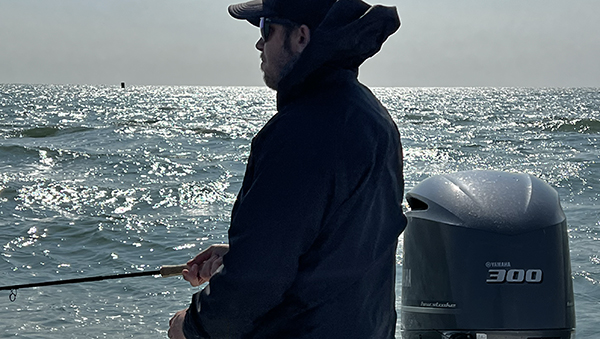
Northern lakes start cooling quickly as summer recedes, and the fish react accordingly. Once water temperatures slide into the 50s and 60s, largemouth and smallmouth bass sense the onslaught of winter and feed aggressively to pack on weight. This can kick off incredible fishing as bass push schools of shad or other bait into feeder creeks, shallow flats, and along shorelines which makes fast-moving reaction baits like spinnerbaits, crankbaits, and jerkbaits a productive way to cover water and locate active fish.
Walleye make a similar move. As the water cools, they push toward rocky points, shoals, and humps, and the best bite often comes at dusk and after dark, when they move shallow to feed. Pike and musky also turn on, ambushing big baitfish along weed edges and drop-offs, which is why fall is considered prime time for trophy hunting. In the Great Lakes region, trout and salmon begin staging near river mouths and tributaries, often in shallower water than they frequented in summer.
The trick to finding the action is locating bait. Look for schools of bait in shallower areas, rocky points, shoals, and humps, rather than the deep water that held fish in July. Your fish finder, especially those with side scan and forward scan, are your best friend when locating fish. And as always, keep an eye out for bird activity and surface bust ups.
Northern Saltwater
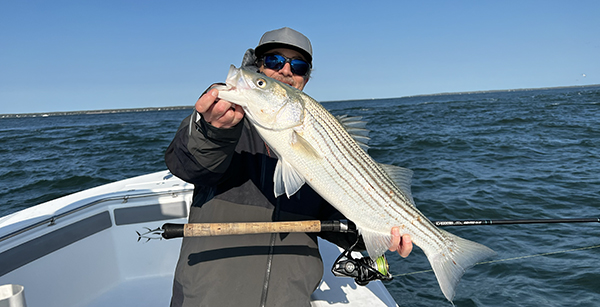
Along the Northeast and Mid-Atlantic coast, the fall run of striped bass is the main event of the season. This annual migration kicked off by cooler water temps and a change in the sun angle, ignites massive blitzes that can last as late as Thanksgiving. Large schools of stripers push south, feeding hard on the way, mostly targeting menhaden. The amount of bait, birds and bass ranges drastically from region to region, but when all the pieces come together, these fall blitzes off the beach are legendary. It’s hard to miss a massive fall-run blitz of bass as the ocean explodes with life, including diving terns and gulls to help pinpoint the areas where predators push bait to the surface. Joining the striped bass are bluefish and false albacore feeding below them can make for some of the most exciting fishing of the year. Work rips, inlets, and beaches, and keep topwater plugs and jigheads armed with soft plastic shad bodies rigged and ready. These bites can start and end in minutes and you’ll likely put your Yamaha to use chasing the action. This is often a run-and-gun fishery.
Fall marks a shift in bottom fishing as well. October and November are prime months for tautog and the black sea bass bite is still strong as well. Tautog, or blackfish, will concentrate around wrecks, rock piles, and jetties as the water cools into the 50s. Targeting this structure with jigs tipped with crabs can produce stout tautog. Fish as light a jig as you can get away with and don’t be surprised if you miss a few bites. Tautog are notorious bait steelers. Fluke begin moving toward deeper water in fall, and you may intersect a big doormat-sized flattie after it has spent the summer feeding.
The key to fall success in the northern salt is all about taking advantage of weather windows and covering ground. Fish are on the move and bait is scattered, so being able to run from one spot to the next is key.
Southern Freshwater
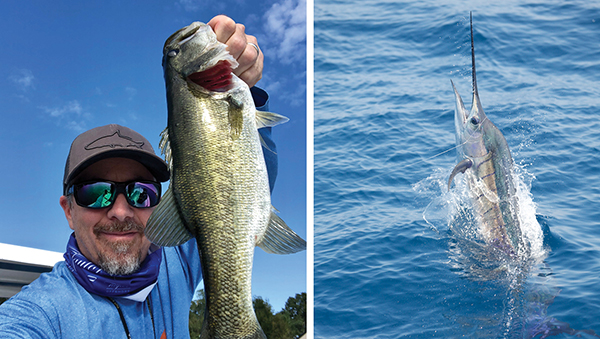
The cooldown in southern lakes is more gradual than northern lakes, which translates to more comfortable days on the water and productive fishing. As surface temperatures ease down, shad move into shallower inlets and coves, and the bass follow. When you find baitfish in the backs of creeks or along shallow flats, the bass are rarely far away. Topwater lures, spinnerbaits, and crankbaits can all draw strikes. Once you locate the bait, you may find bass surface feeding, which is always a blast on topwater. But these bites tend to disappear as quickly as they pop up.
Crappie also relocate in the fall, settling around brush piles and other structure. Once again, the fish finder is worth its weight in gold when searching for schools of crappie. You’ll know when you find a nice school, as big red blobs pop up on the screen. Using light line and live minnows can trigger steady fishing, sometimes for hours. Catfish feed heavily as the water cools too.
Southern Saltwater
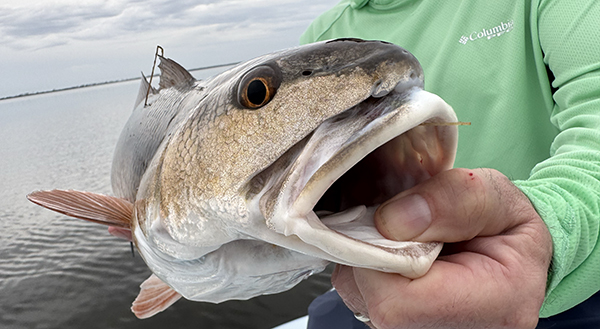
For many Gulf and south Atlantic anglers, fall is the best time of year. Redfish school up and feed aggressively in the back bays around marsh edges, flats, and oyster bars, offering some of the year’s best sight-fishing. Speckled trout, meanwhile, begin moving toward creeks, backwaters, and deeper holes that hold warmth, and the bite can be excellent. Flounder move toward inlets and passes on their way to deeper water, so work the channel edges and structure when running toward the inlet. In Florida, snook and tarpon move toward creeks, canals, and deeper water as temperatures fall.
The highlight of fall fishing in this region is the mullet run. While the exact timing of this annual phenomenon varies from year to year, it typically kicks off around the beginning of September and peaks sometime in October along the East Coast. Swarms of 4- to 5-inch silver mullet cruise along the coast, igniting an epic smorgasbord for tarpon, cobia, sharks, bluefish and more. When big schools of mullet move along the beaches and through the passes, predators follow them, and the fishing explodes. Mullet runs in the Gulf also occur each fall and again, the predators will be in hot pursuit.
Fall migrations bring kingfish, cobia, and king mackerel along the south Atlantic coast, which offers up plenty of saltwater action typically within a very manageable run off the beach. Offshore action in the fall can bring a mix of sailfish, wahoo and tuna. Sailfish show up in big numbers off Florida in the winter months, but they’re around all year. And high-speed trolling for wahoo can also be lights-out once the thermometer drops.
Catching a nice, bluebird fall day with light winds is a gift that you don’t want to pass up. You may need to layer up for the morning run, but it’ll be worth it. Remember, anytime you can get out fishing, is a good time to go.
Back to Blue Life
To stay on the fish, anglers must change their behaviors as well, understanding where the fish have gone and what the colder weather will do to their feeding habits. Putting together the pieces of the fall fishing puzzle will help you make the most of the bite before winter creeps in.
Northern Freshwater
Northern lakes start cooling quickly as summer recedes, and the fish react accordingly. Once water temperatures slide into the 50s and 60s, largemouth and smallmouth bass sense the onslaught of winter and feed aggressively to pack on weight. This can kick off incredible fishing as bass push schools of shad or other bait into feeder creeks, shallow flats, and along shorelines which makes fast-moving reaction baits like spinnerbaits, crankbaits, and jerkbaits a productive way to cover water and locate active fish.
Walleye make a similar move. As the water cools, they push toward rocky points, shoals, and humps, and the best bite often comes at dusk and after dark, when they move shallow to feed. Pike and musky also turn on, ambushing big baitfish along weed edges and drop-offs, which is why fall is considered prime time for trophy hunting. In the Great Lakes region, trout and salmon begin staging near river mouths and tributaries, often in shallower water than they frequented in summer.
The trick to finding the action is locating bait. Look for schools of bait in shallower areas, rocky points, shoals, and humps, rather than the deep water that held fish in July. Your fish finder, especially those with side scan and forward scan, are your best friend when locating fish. And as always, keep an eye out for bird activity and surface bust ups.
Northern Saltwater
Along the Northeast and Mid-Atlantic coast, the fall run of striped bass is the main event of the season. This annual migration kicked off by cooler water temps and a change in the sun angle, ignites massive blitzes that can last as late as Thanksgiving. Large schools of stripers push south, feeding hard on the way, mostly targeting menhaden. The amount of bait, birds and bass ranges drastically from region to region, but when all the pieces come together, these fall blitzes off the beach are legendary. It’s hard to miss a massive fall-run blitz of bass as the ocean explodes with life, including diving terns and gulls to help pinpoint the areas where predators push bait to the surface. Joining the striped bass are bluefish and false albacore feeding below them can make for some of the most exciting fishing of the year. Work rips, inlets, and beaches, and keep topwater plugs and jigheads armed with soft plastic shad bodies rigged and ready. These bites can start and end in minutes and you’ll likely put your Yamaha to use chasing the action. This is often a run-and-gun fishery.
Fall marks a shift in bottom fishing as well. October and November are prime months for tautog and the black sea bass bite is still strong as well. Tautog, or blackfish, will concentrate around wrecks, rock piles, and jetties as the water cools into the 50s. Targeting this structure with jigs tipped with crabs can produce stout tautog. Fish as light a jig as you can get away with and don’t be surprised if you miss a few bites. Tautog are notorious bait steelers. Fluke begin moving toward deeper water in fall, and you may intersect a big doormat-sized flattie after it has spent the summer feeding.
The key to fall success in the northern salt is all about taking advantage of weather windows and covering ground. Fish are on the move and bait is scattered, so being able to run from one spot to the next is key.
Southern Freshwater
The cooldown in southern lakes is more gradual than northern lakes, which translates to more comfortable days on the water and productive fishing. As surface temperatures ease down, shad move into shallower inlets and coves, and the bass follow. When you find baitfish in the backs of creeks or along shallow flats, the bass are rarely far away. Topwater lures, spinnerbaits, and crankbaits can all draw strikes. Once you locate the bait, you may find bass surface feeding, which is always a blast on topwater. But these bites tend to disappear as quickly as they pop up.
Crappie also relocate in the fall, settling around brush piles and other structure. Once again, the fish finder is worth its weight in gold when searching for schools of crappie. You’ll know when you find a nice school, as big red blobs pop up on the screen. Using light line and live minnows can trigger steady fishing, sometimes for hours. Catfish feed heavily as the water cools too.
Southern Saltwater
For many Gulf and south Atlantic anglers, fall is the best time of year. Redfish school up and feed aggressively in the back bays around marsh edges, flats, and oyster bars, offering some of the year’s best sight-fishing. Speckled trout, meanwhile, begin moving toward creeks, backwaters, and deeper holes that hold warmth, and the bite can be excellent. Flounder move toward inlets and passes on their way to deeper water, so work the channel edges and structure when running toward the inlet. In Florida, snook and tarpon move toward creeks, canals, and deeper water as temperatures fall.
The highlight of fall fishing in this region is the mullet run. While the exact timing of this annual phenomenon varies from year to year, it typically kicks off around the beginning of September and peaks sometime in October along the East Coast. Swarms of 4- to 5-inch silver mullet cruise along the coast, igniting an epic smorgasbord for tarpon, cobia, sharks, bluefish and more. When big schools of mullet move along the beaches and through the passes, predators follow them, and the fishing explodes. Mullet runs in the Gulf also occur each fall and again, the predators will be in hot pursuit.
Fall migrations bring kingfish, cobia, and king mackerel along the south Atlantic coast, which offers up plenty of saltwater action typically within a very manageable run off the beach. Offshore action in the fall can bring a mix of sailfish, wahoo and tuna. Sailfish show up in big numbers off Florida in the winter months, but they’re around all year. And high-speed trolling for wahoo can also be lights-out once the thermometer drops.
Catching a nice, bluebird fall day with light winds is a gift that you don’t want to pass up. You may need to layer up for the morning run, but it’ll be worth it. Remember, anytime you can get out fishing, is a good time to go.
Back to Blue Life