

On the surface, a discarded plastic bottle floating down the Tennessee River might seem like a small problem. But that bottle could travel hundreds of miles, passing through communities, crossing state lines and eventually making its way into the Mississippi River and the Gulf.
It’s a reminder that waterway pollution doesn’t recognize geographic boundaries. It’s also the driving force behind an innovative new cleanup initiative that combines technology, engineering and environmental stewardship to help keep one of America’s most important river systems clean.
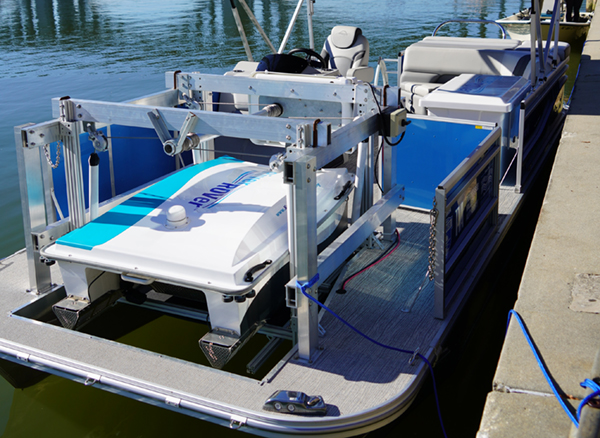
On November 10, Keep the Tennessee River Beautiful (KTnRB), with support from Yamaha Rightwaters and the Tennessee Valley Authority (TVA), officially launched River ROVer™, a remote-operated debris collection system supported by a specially engineered vessel designed to reach areas that have traditionally been difficult for volunteer cleanup crews
to access.
The project debuted during a demonstration at Volunteer Landing in downtown Knoxville, Tennessee, near the headwaters of the Tennessee River. For Yamaha, the launch represents another milestone in a longstanding partnership dedicated to protecting the waterways that connect communities throughout the Southeast.
An Innovative Solution to a Growing Challenge
The Tennessee River watershed stretches across seven states: Tennessee, Alabama, Mississippi, Kentucky, Georgia, North Carolina and Virginia. Its interconnected rivers, streams and tributaries support communities, businesses, recreation and wildlife. Unfortunately, those same connections allow litter to travel far beyond where it originates.
Trash discarded along roadsides, in neighborhoods or near storm drains can be swept into creeks and rivers during rainfall. Once there, currents carry debris downstream, sometimes hundreds of miles from its original source.
“The Tennessee River connects communities across seven states within its watershed, and the litter that enters our waterways doesn’t stop at county or state lines,” said Kathleen Gibi, Executive Director of Keep the Tennessee River Beautiful. “Trash that washes into a storm drain or creek today can become someone else’s problem miles downstream tomorrow.”
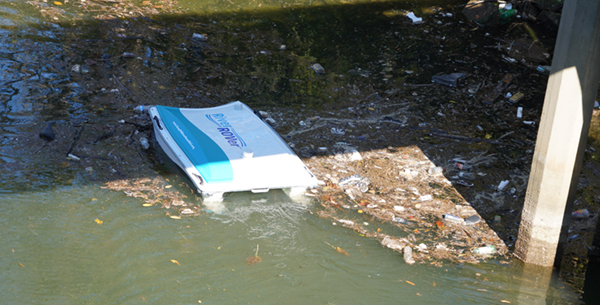
The River ROVer is designed to address that challenge by expanding the organization’s ability to collect floating debris, particularly in areas near dams where traditional cleanup operations can be difficult.
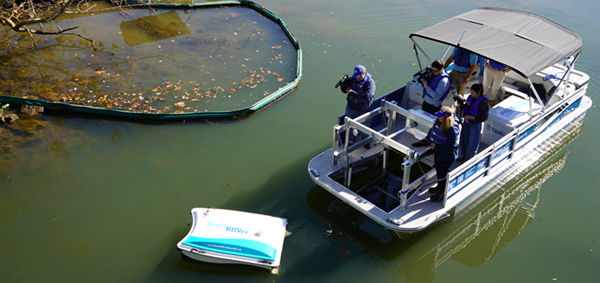
The system combines a remote-operated vehicle (ROV) capable of collecting debris from the water’s surface with a specially engineered support vessel that allows crews to transport and deploy the equipment. The result is a new tool that complements traditional volunteer cleanups while extending KTnRB’s reach.
From an Idea to the Water
The River ROVer project began in 2023, when Keep America Beautiful donated a remote-operated debris collection vehicle to KTnRB. While the technology offered exciting possibilities, the organization needed a practical way to deploy and operate it across the Tennessee River watershed. That’s where Yamaha stepped in.
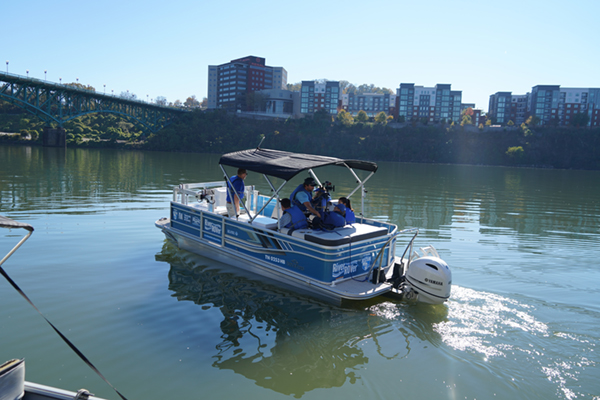
Drawing on its marine engineering capabilities, Yamaha began developing a specialized vessel to support the ROV’s operation and help crews access locations that had previously been difficult to reach. Yamaha ultimately donated the specially engineered vessel, along with a Yamaha outboard motor and trailer, creating a dedicated platform for the cleanup initiative.
The Tennessee Valley Authority also played a critical role, providing operational coordination and awarding KTnRB a $57,000 grant to support River ROVer crew operations and a public education campaign.
Together, the three organizations have created an initiative that brings complementary strengths to a shared environmental challenge: KTnRB’s conservation expertise, Yamaha’s marine engineering capabilities and TVA’s operational and financial support. The next phase will include operational trials on the river, followed by cleanup trials near TVA dams in coordination with TVA officials.
A Partnership Built on Stewardship
For Yamaha Rightwaters, River ROVer builds on a relationship with KTnRB that stretches back years. Yamaha Rightwaters was the organization’s first corporate sponsor and previously donated the outboard motors that power KTnRB’s three-vessel cleanup fleet.
The partnership reflects Yamaha Rightwaters’ broader commitment to marine conservation, including habitat restoration, scientific research, invasive species mitigation, marine debris reduction and environmental stewardship education.
“Yamaha Rightwaters has a longstanding relationship with Keep the Tennessee River Beautiful, supporting the organization’s ongoing efforts to protect and improve the health of the Tennessee River watershed,” said Joshua Grier, Sustainability Manager, Yamaha Motor Corporation U.S.
“With several Yamaha facilities located in communities connected to the Tennessee River, protecting this vital waterway is especially meaningful to our company. The River ROVer represents another important step in reducing marine debris and preserving the river for the people, businesses and future generations that depend on it.”
That commitment is especially significant given the scale of the challenge.Founded in 2016, KTnRB became the nation’s first Keep America Beautiful affiliate dedicated exclusively to a river. Since then, the nonprofit has mobilized nearly 6,000 volunteers and removed more than one million pounds of trash from the Tennessee River watershed. Its work demonstrates both the power of volunteer involvement and the continuing need for innovative solutions.
During October 2026 alone, KTnRB and its partners removed 51,099 pounds of trash during nine organized cleanups across five states. Among the debris collected were abandoned boats, dock materials, appliances, vehicle parts and hundreds of tires.
Those numbers illustrate why expanding cleanup capabilities is so important.
Beyond Cleanup: Changing Behavior
Although River ROVer introduces new technology to the cleanup process, its mission extends beyond removing trash from the water. A central component of the initiative is education.
Photos and video captured during the launch will support a public awareness campaign explaining how litter moves through interconnected waterways and why preventing pollution at its source matters.
The goal is to help people recognize that everyday decisions—whether properly disposing of trash, securing items near waterways or participating in local cleanups—can have an impact far beyond their own communities.
TVA shares that vision.
“Protecting the Tennessee River and the communities that depend on it is a shared responsibility,” said Paul Pearman, TVA Senior Manager, Environmental Resource Stewardship. “Our support of Keep the Tennessee River Beautiful’s River ROVer program reflects our commitment to innovative solutions that combine technology, community education and hands-on cleanup efforts to keep our waterways healthy.”
For Yamaha Rightwaters and its partners, the launch is not simply about putting a new piece of equipment on the river. It’s about demonstrating what’s possible when conservation organizations, industry and public agencies work together.
As River ROVer begins its operational trials and prepares for cleanup activities near TVA dams, it offers a promising new approach to tackling marine debris. It reinforces a simple but important message: protecting America’s waterways begins with individual responsibility, grows through community involvement and becomes even more powerful through innovation and collaboration.
Back to Blue Life
It’s a reminder that waterway pollution doesn’t recognize geographic boundaries. It’s also the driving force behind an innovative new cleanup initiative that combines technology, engineering and environmental stewardship to help keep one of America’s most important river systems clean.
On November 10, Keep the Tennessee River Beautiful (KTnRB), with support from Yamaha Rightwaters and the Tennessee Valley Authority (TVA), officially launched River ROVer™, a remote-operated debris collection system supported by a specially engineered vessel designed to reach areas that have traditionally been difficult for volunteer cleanup crews
to access.
The project debuted during a demonstration at Volunteer Landing in downtown Knoxville, Tennessee, near the headwaters of the Tennessee River. For Yamaha, the launch represents another milestone in a longstanding partnership dedicated to protecting the waterways that connect communities throughout the Southeast.
An Innovative Solution to a Growing Challenge
The Tennessee River watershed stretches across seven states: Tennessee, Alabama, Mississippi, Kentucky, Georgia, North Carolina and Virginia. Its interconnected rivers, streams and tributaries support communities, businesses, recreation and wildlife. Unfortunately, those same connections allow litter to travel far beyond where it originates.
Trash discarded along roadsides, in neighborhoods or near storm drains can be swept into creeks and rivers during rainfall. Once there, currents carry debris downstream, sometimes hundreds of miles from its original source.
“The Tennessee River connects communities across seven states within its watershed, and the litter that enters our waterways doesn’t stop at county or state lines,” said Kathleen Gibi, Executive Director of Keep the Tennessee River Beautiful. “Trash that washes into a storm drain or creek today can become someone else’s problem miles downstream tomorrow.”
The River ROVer is designed to address that challenge by expanding the organization’s ability to collect floating debris, particularly in areas near dams where traditional cleanup operations can be difficult.
The system combines a remote-operated vehicle (ROV) capable of collecting debris from the water’s surface with a specially engineered support vessel that allows crews to transport and deploy the equipment. The result is a new tool that complements traditional volunteer cleanups while extending KTnRB’s reach.
From an Idea to the Water
The River ROVer project began in 2023, when Keep America Beautiful donated a remote-operated debris collection vehicle to KTnRB. While the technology offered exciting possibilities, the organization needed a practical way to deploy and operate it across the Tennessee River watershed. That’s where Yamaha stepped in.
Drawing on its marine engineering capabilities, Yamaha began developing a specialized vessel to support the ROV’s operation and help crews access locations that had previously been difficult to reach. Yamaha ultimately donated the specially engineered vessel, along with a Yamaha outboard motor and trailer, creating a dedicated platform for the cleanup initiative.
The Tennessee Valley Authority also played a critical role, providing operational coordination and awarding KTnRB a $57,000 grant to support River ROVer crew operations and a public education campaign.
Together, the three organizations have created an initiative that brings complementary strengths to a shared environmental challenge: KTnRB’s conservation expertise, Yamaha’s marine engineering capabilities and TVA’s operational and financial support. The next phase will include operational trials on the river, followed by cleanup trials near TVA dams in coordination with TVA officials.
A Partnership Built on Stewardship
For Yamaha Rightwaters, River ROVer builds on a relationship with KTnRB that stretches back years. Yamaha Rightwaters was the organization’s first corporate sponsor and previously donated the outboard motors that power KTnRB’s three-vessel cleanup fleet.
The partnership reflects Yamaha Rightwaters’ broader commitment to marine conservation, including habitat restoration, scientific research, invasive species mitigation, marine debris reduction and environmental stewardship education.
“Yamaha Rightwaters has a longstanding relationship with Keep the Tennessee River Beautiful, supporting the organization’s ongoing efforts to protect and improve the health of the Tennessee River watershed,” said Joshua Grier, Sustainability Manager, Yamaha Motor Corporation U.S.
“With several Yamaha facilities located in communities connected to the Tennessee River, protecting this vital waterway is especially meaningful to our company. The River ROVer represents another important step in reducing marine debris and preserving the river for the people, businesses and future generations that depend on it.”
That commitment is especially significant given the scale of the challenge.Founded in 2016, KTnRB became the nation’s first Keep America Beautiful affiliate dedicated exclusively to a river. Since then, the nonprofit has mobilized nearly 6,000 volunteers and removed more than one million pounds of trash from the Tennessee River watershed. Its work demonstrates both the power of volunteer involvement and the continuing need for innovative solutions.
During October 2026 alone, KTnRB and its partners removed 51,099 pounds of trash during nine organized cleanups across five states. Among the debris collected were abandoned boats, dock materials, appliances, vehicle parts and hundreds of tires.
Those numbers illustrate why expanding cleanup capabilities is so important.
Beyond Cleanup: Changing Behavior
Although River ROVer introduces new technology to the cleanup process, its mission extends beyond removing trash from the water. A central component of the initiative is education.
Photos and video captured during the launch will support a public awareness campaign explaining how litter moves through interconnected waterways and why preventing pollution at its source matters.
The goal is to help people recognize that everyday decisions—whether properly disposing of trash, securing items near waterways or participating in local cleanups—can have an impact far beyond their own communities.
TVA shares that vision.
“Protecting the Tennessee River and the communities that depend on it is a shared responsibility,” said Paul Pearman, TVA Senior Manager, Environmental Resource Stewardship. “Our support of Keep the Tennessee River Beautiful’s River ROVer program reflects our commitment to innovative solutions that combine technology, community education and hands-on cleanup efforts to keep our waterways healthy.”
For Yamaha Rightwaters and its partners, the launch is not simply about putting a new piece of equipment on the river. It’s about demonstrating what’s possible when conservation organizations, industry and public agencies work together.
As River ROVer begins its operational trials and prepares for cleanup activities near TVA dams, it offers a promising new approach to tackling marine debris. It reinforces a simple but important message: protecting America’s waterways begins with individual responsibility, grows through community involvement and becomes even more powerful through innovation and collaboration.
Back to Blue Life