

Where the Water Leads
For photographer and freediver Ben Yavar, the pull of the water has always felt almost as essential as breathing.
Long before underwater photography became a profession, before freediving expeditions took him across the world and before his work earned recognition as a finalist for Ocean Photographer of the Year, the water was simply the place he felt he needed to be.
.jpg)
“I’ve always felt connected to the water,” he said. “The ocean, lakes, anything. It’s very difficult to explain. It’s something that feeds the soul for me.”
Ben grew up in El Monte, Chile, a small town in the country’s wine region, surrounded by mountains and valleys. Yet in Chile, one of the narrowest countries in the world, the Pacific Ocean was never impossibly far away. A few hours in the car could take Ben and his friends from the mountains to the coast.
Those trips became expeditions of their own.
As a child, Ben devoured magazines such as National Geographic, fascinated by photographs that revealed what existed beneath the surface. That curiosity eventually led him to snorkeling and then spearfishing with friends. He loved seeing marine life in its own environment, but he also discovered something else: He wanted to capture what he saw.
His first camera was made specifically for underwater photography. Suddenly, two interests became one. Ben could spend time in the environment he loved while creating images that allowed him to return to those moments later and share them with others.
“It was a way to relive the experience,” he said. “I could go to the ocean, take photographs and then show my friends what I had seen.”
.jpg)
.jpg)
Finding Freedom Below the Surface
The ocean continued to shape Ben’s life as he traveled farther from Chile.
He moved to Australia, where his curiosity about what existed beneath the surface deepened into something more. The first time he put on a mask for scuba, it did not feel like an escape. It felt like an arrival. He’d spent years traveling horizontally across the world, but now he discovered he wanted to travel vertically through it, descending beneath the surface into a world he had wondered about since childhood.
.jpg)
.jpg)
He became a scuba divemaster and spent weekends underwater photographing wildlife and sharks. His camera equipment became more sophisticated, and photography became an increasingly important part of every dive.
.jpg)
His journey eventually took him to Asia, including Taiwan and the Philippines, where he worked as a divemaster. For Ben, that period also accelerated another transition already underway: from scuba diving to freediving. The difference changed the way he experienced the ocean. Freediving offered less time beneath the surface but, paradoxically, much more freedom.
Without tanks and extensive equipment, Ben could move differently. He could respond more naturally to the environment around him. Freediving also required an entirely new understanding of his body and mind.
.jpg)
Before entering the water, Ben practices breathing and meditation techniques. A freediver must understand pressure, learn to remain calm, control movement and become comfortable with the physical sensations that accompany depth. Much of the preparation begins on dry land before progressing carefully into the ocean.
“You learn step by step about your body,” Ben said. “It takes a lot of time and patience. The more you practice, the better you become.”
He still practices something related to freediving almost every day and now teaches the discipline as an instructor. He also leads expeditions that combine freediving and photography. For Ben, those pursuits share an important quality: Both demand complete presence.
That focused presence signature of freediving also translates into Ben’s photography. The camera lens became a catalyst for being present, focusing his attention on the details around him and giving him a way to preserve moments that existed only briefly beneath the surface.
A dive may last only a minute or two, yet underwater, time can seem to slow. There is no room for distraction. He must remain aware of his body, the water, the wildlife, the light and the image unfolding through his camera.
“It feels like another world,” he said. “You are completely focused and completely present.”
A Human Element in a Wild Place
That sense of presence has become central to Ben’s photography, particularly the images he creates with his wife, Jay.
.jpg)
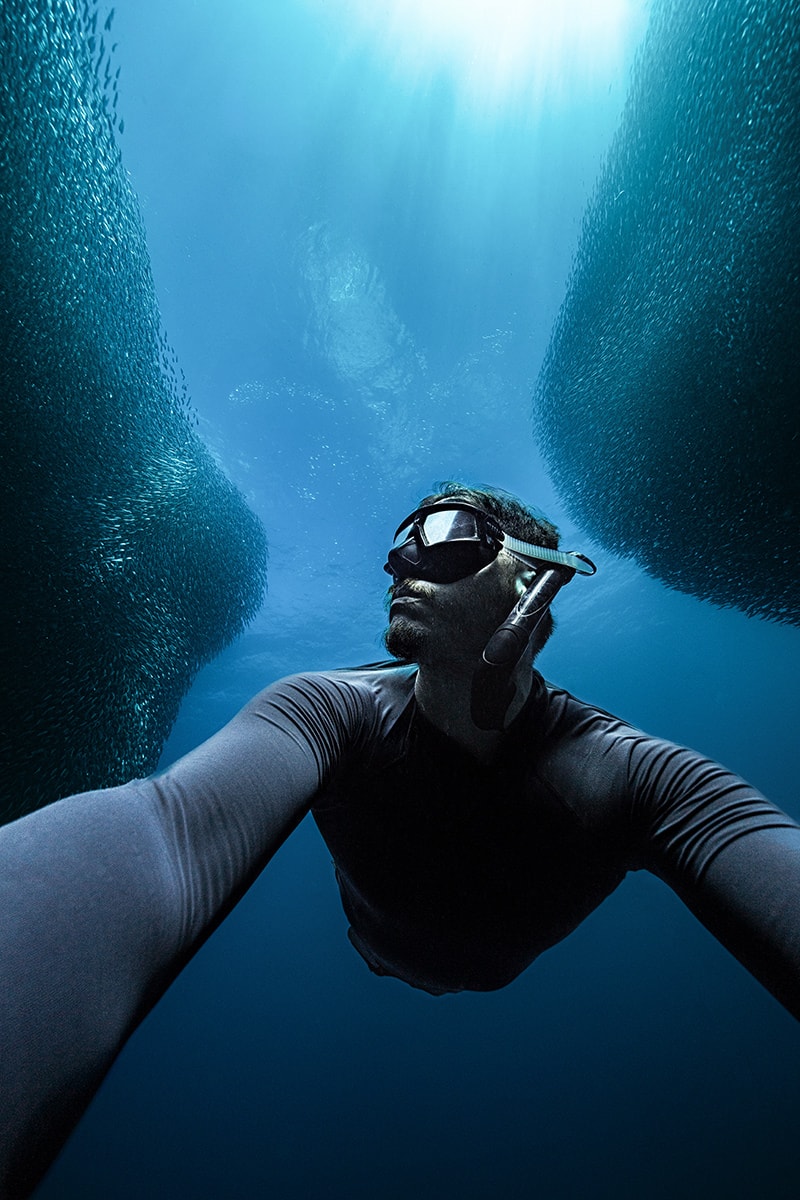
He does not view the ocean as a backdrop or stage. Instead, he wants his photographs to capture a fleeting interaction between a person and an immense natural world. The moments are real and often brief. The challenge is finding art within those few seconds.
.jpg)
For Ben and his wife, that creative process has become part of their life together. Their images document extraordinary places, but they also represent something more personal: a shared decision to build a life around curiosity, exploration and the water.
.jpg.jpg)
Recognition of their artwork followed slowly.
What began as a hobby eventually attracted attention from brands. Ben began seeing his photography used online and on billboards. His work earned awards and, most recently, recognition as a finalist for Ocean Photographer of the Year, one of the world’s prominent showcases of ocean photography. He never expected the camera he first carried underwater for fun to lead here.
“It’s a lot of work, a lot of luck and a huge amount of passion,” he said. “Life is amazing. You can do beautiful things with the person you love.”
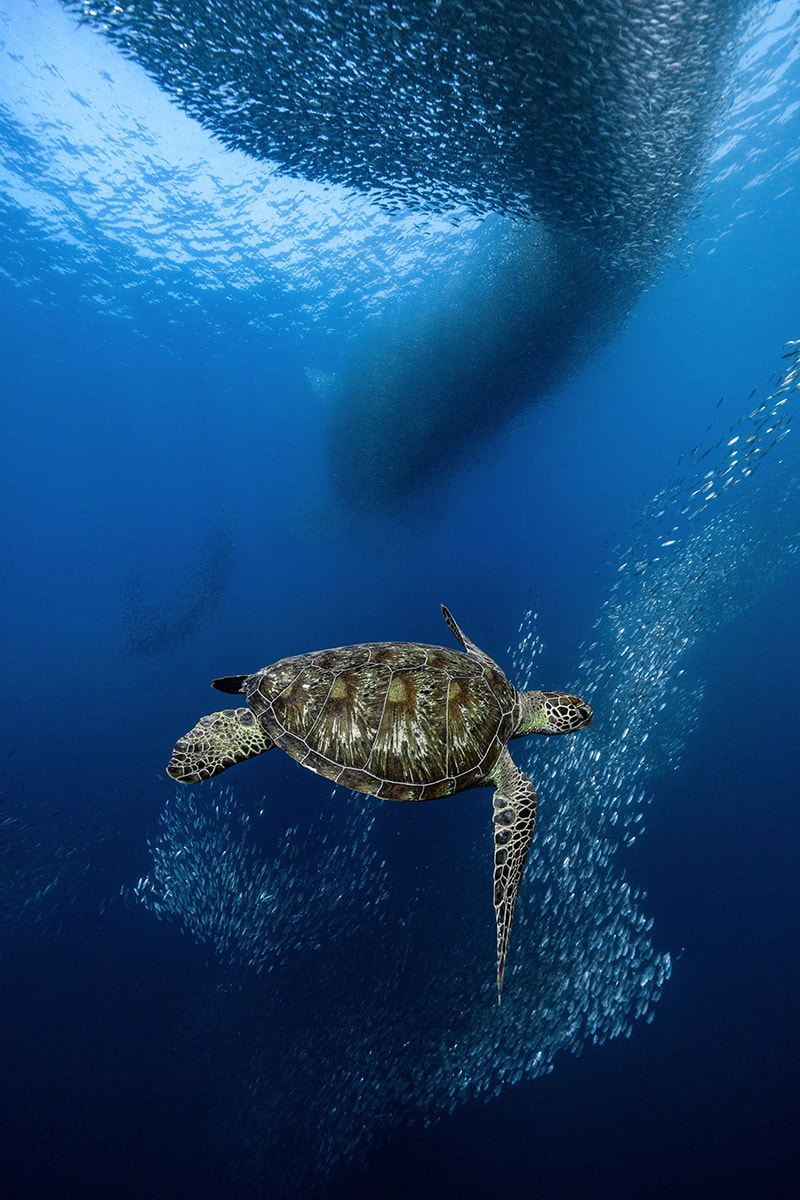
The recognition also gives his photographs a larger purpose. An image can introduce someone to an underwater world they may never experience firsthand. Ben hopes that connection creates curiosity and, eventually, a greater appreciation for protecting the ocean and its wildlife.
“It’s amazing what showing one or two images can create for someone,” he said. “You never know what it might spark.”
The Tools That Make Exploration Possible
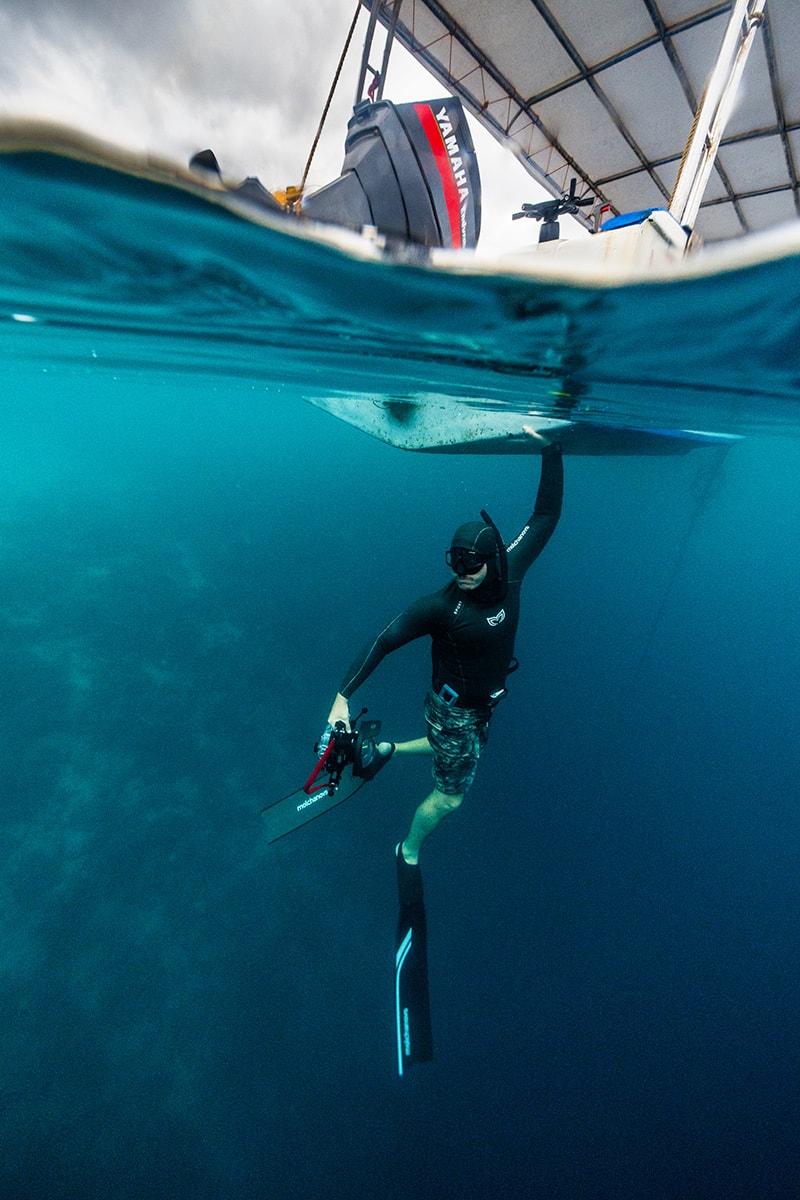
Creating those images often requires long days on the water, traveling to remote locations and searching for conditions or wildlife that cannot be scheduled. A boat becomes both transportation and a base for the expedition. Reliability matters.
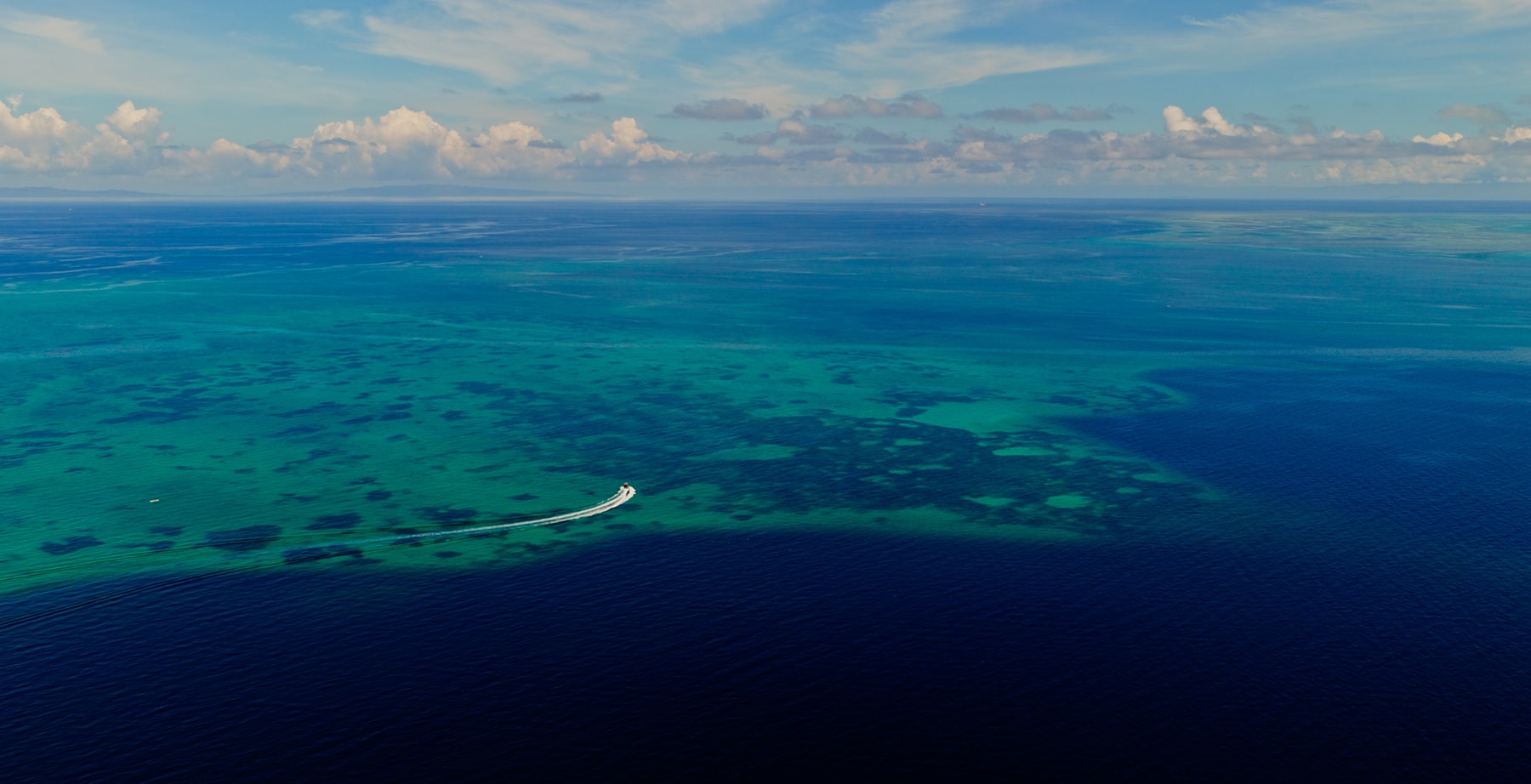
Ben’s dive boat is powered by Yamaha outboards, which play a quiet but essential role in getting him and his equipment where they need to go.
“When you are in the ocean for six hours at a time, you need something that is going to work,” he said. “Engines are a big part of any expedition and exploration. The fewer things you have to worry about, the better.”
He compares that dependability to his camera equipment. When the tools work as expected, they disappear into the background, allowing him to concentrate on the experience itself. For Ben, that means watching the water, finding the right location and being ready when a moment that may last only seconds finally appears.
.jpg)
The Yamaha outboards are not the focus of the expedition. They simply help make the pursuit possible, providing the dependable power behind a life built around discovering what waits beyond the shoreline and beneath the surface.
Saying Yes to What Comes Next
Ben plans to keep following the water. He wants to expand his photography gradually, traveling to places such as Mexico and Tonga and spending more time photographing large marine animals, including whales. His focus will remain simple: humans, wildlife and the vastness of the natural world, captured through freediving.
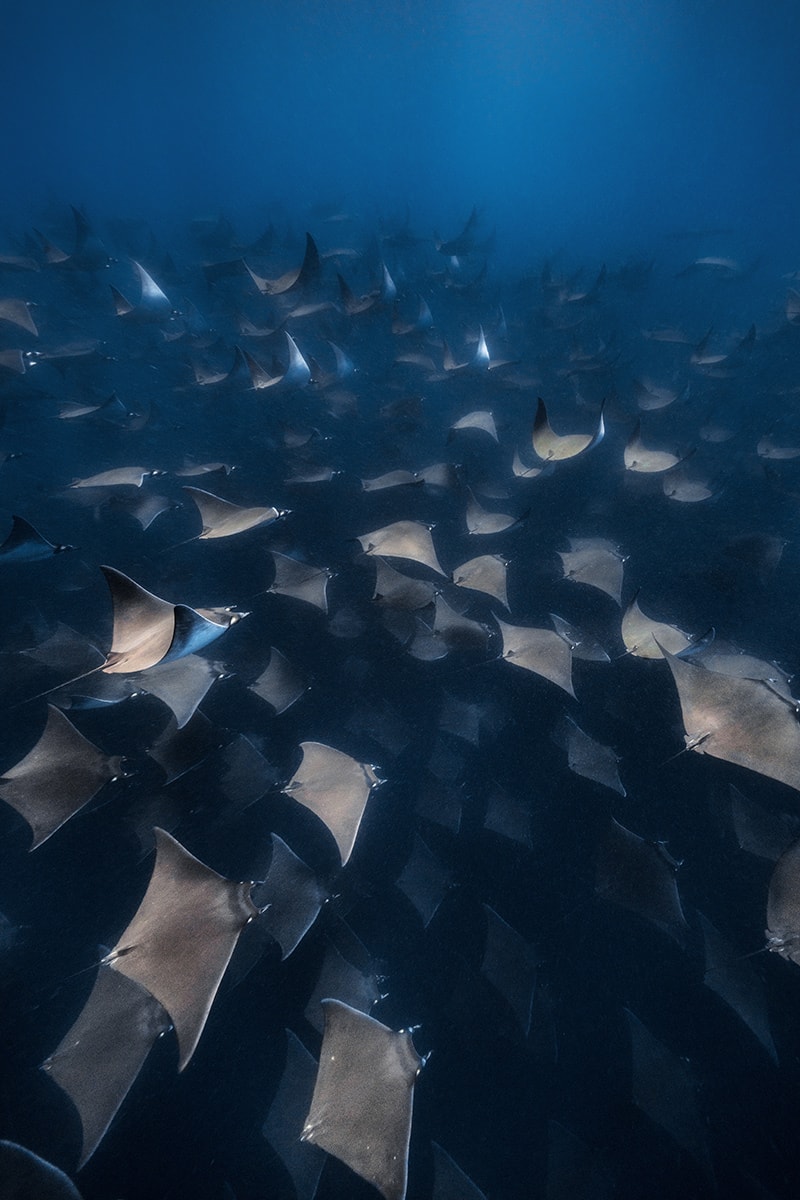
It is a philosophy reflected in one of his award-winning photographs. Ben and Jay had not planned to visit the ocean that day. A friend called and invited them to go. Ben decided to bring his camera, just in case. That simple decision led to an extraordinary image.
.jpg)
For Ben, the experience reinforced something the ocean has taught him repeatedly: Say yes. Go. Try something unfamiliar. Bring the camera.
“You never know what one new experience can do for your life,” he said. “It can radically change it forever.” His photographs ultimately carry that message beyond the water.
Humans are not spectators standing apart from nature, Ben believes. We belong to it. The encounters he photographs, between a freediver and an animal, between a human figure and an enormous blue expanse, are reminders of that relationship. They are also reminders to appreciate and protect a world that gives us the opportunity to experience such moments.
For someone who grew up hours from the coast in a small Chilean town, the ocean has become a profession, a classroom, a creative outlet and a way of life. The water that once drew his curiosity now carries him around the world. The camera helps him remain present. The boat and its Yamaha power help him reach places where those fleeting encounters become possible.
And Ben is still following wherever the water leads.
This document contains many of Yamaha's valuable trademarks. It may also contain trademarks belonging to other companies. Any references to other companies or their products are for identification purposes only and are not intended to be an endorsement. Yamaha Motor Corporation, U.S.A. is not affiliated with or responsible for the operations of Ben Yavar.
REMEMBER to always observe all applicable boating laws. Never drink and drive. Dress properly with a USCG-approved personal floatation device and protective gear.
© 2026 Yamaha Motor Corporation, U.S.A. All rights reserved.